
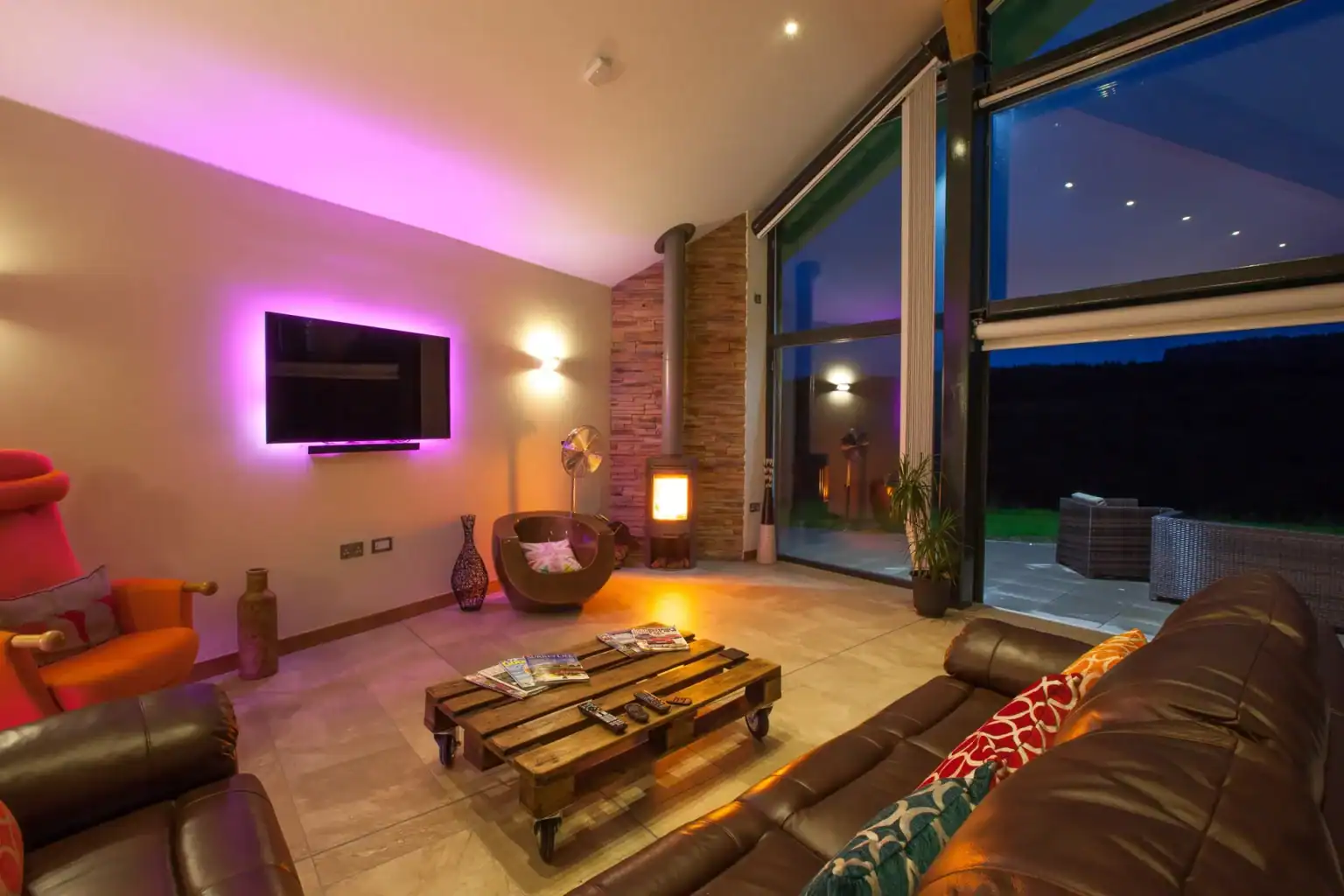
Accessible Lodges in Northumberland: A Guide for Disabled Travellers
Finding accessible holiday lodges in Northumberland — or anywhere in the UK — shouldn’t be as hard as it often is. While the word “accessible” appears on plenty of travel and tourism websites nowadays, what’s behind it varies enormously: a step-free entrance at one place, full hoist provision at another. In practice, it can be really difficult to know what to expect, not to mention exhausting to have to repeatedly dig out the information you need and advocate for yourself in the process.
If you’re planning a disability-friendly break in Northumberland or the North East, here’s our take on what’s available, what to look out for or ask before you book, and how to make the most of some of England’s arguably most beautiful landscapes.
Welcome to accessible holidays in Northumberland

Visiting Northumberland
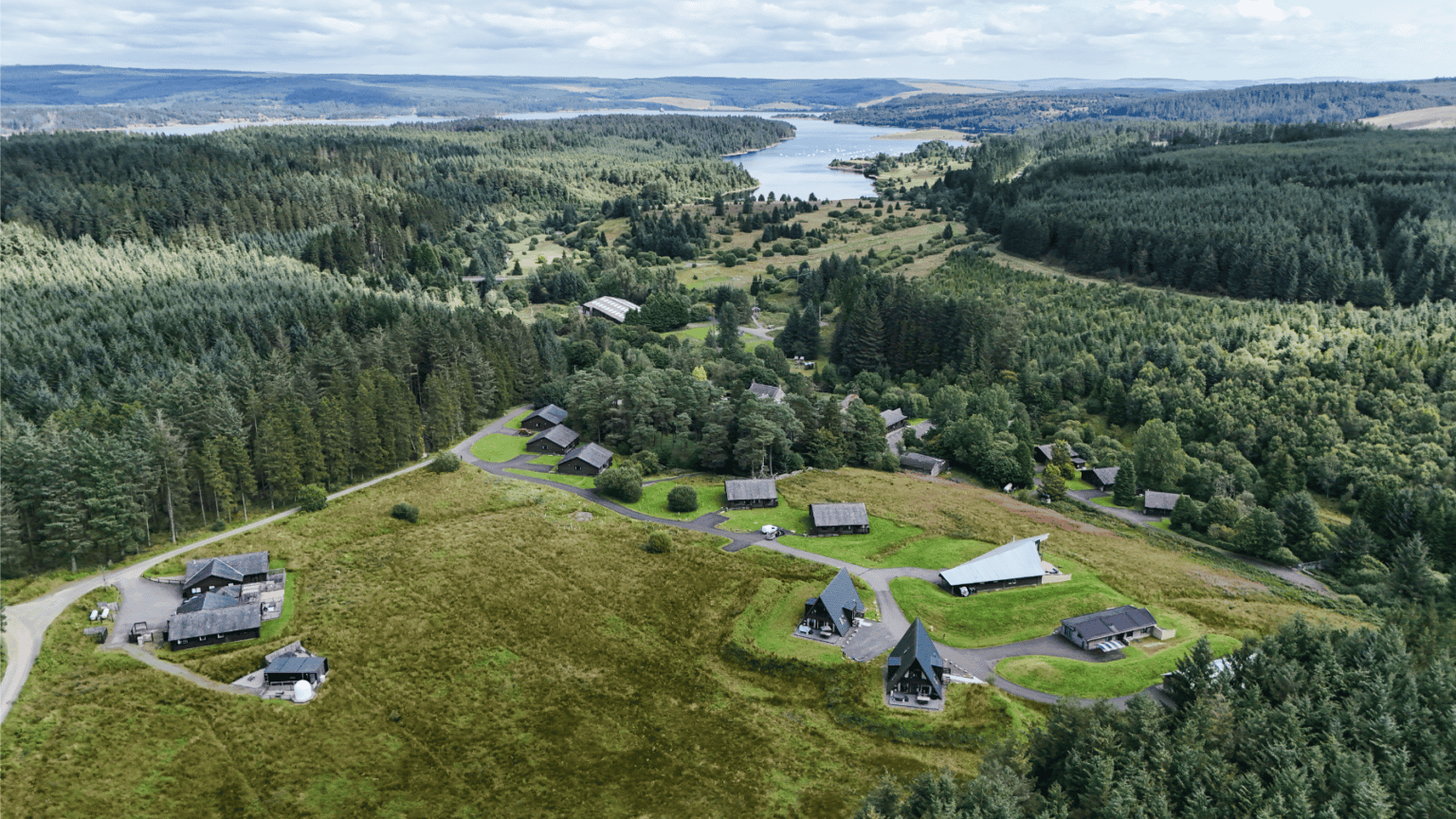
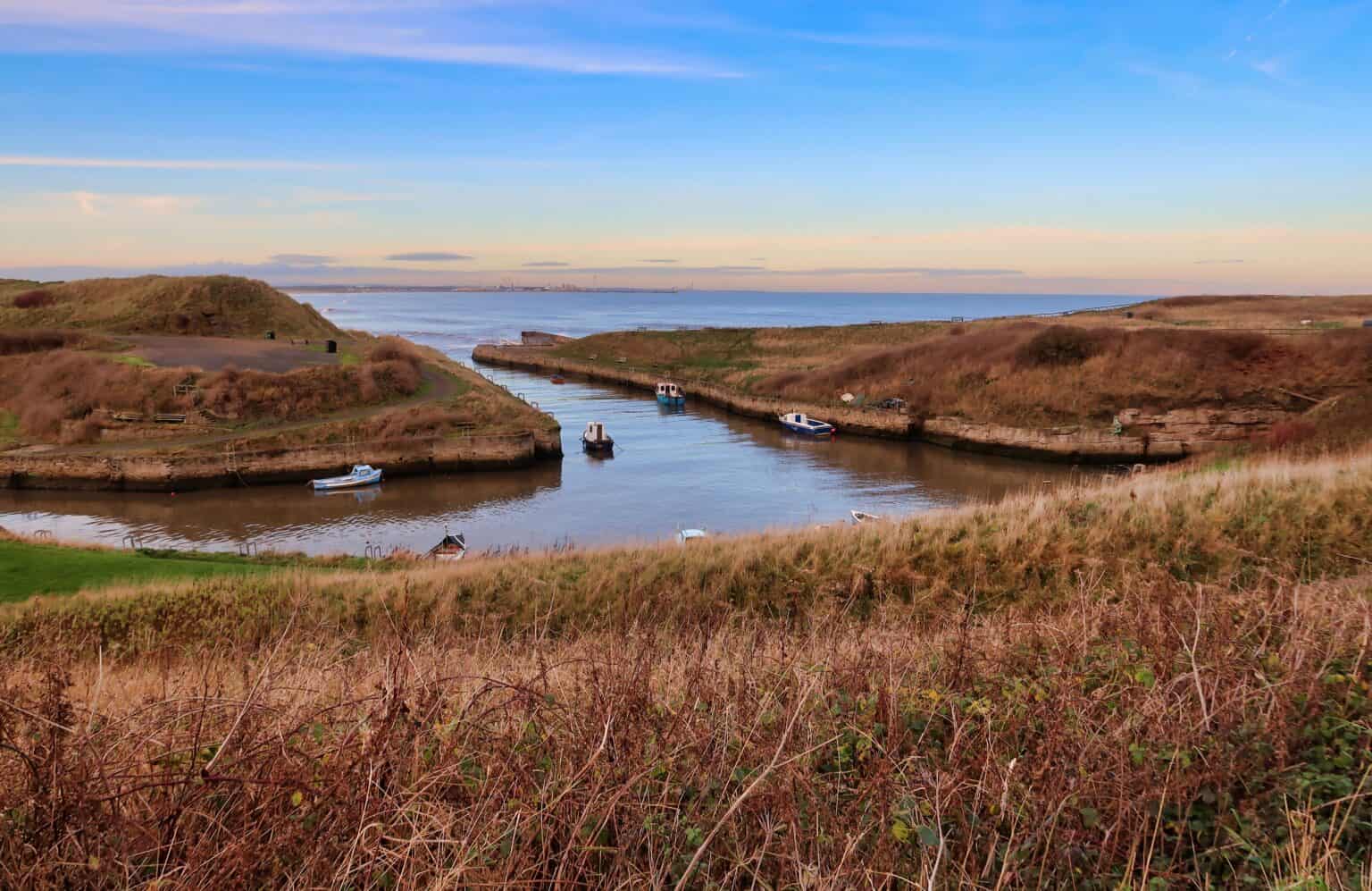
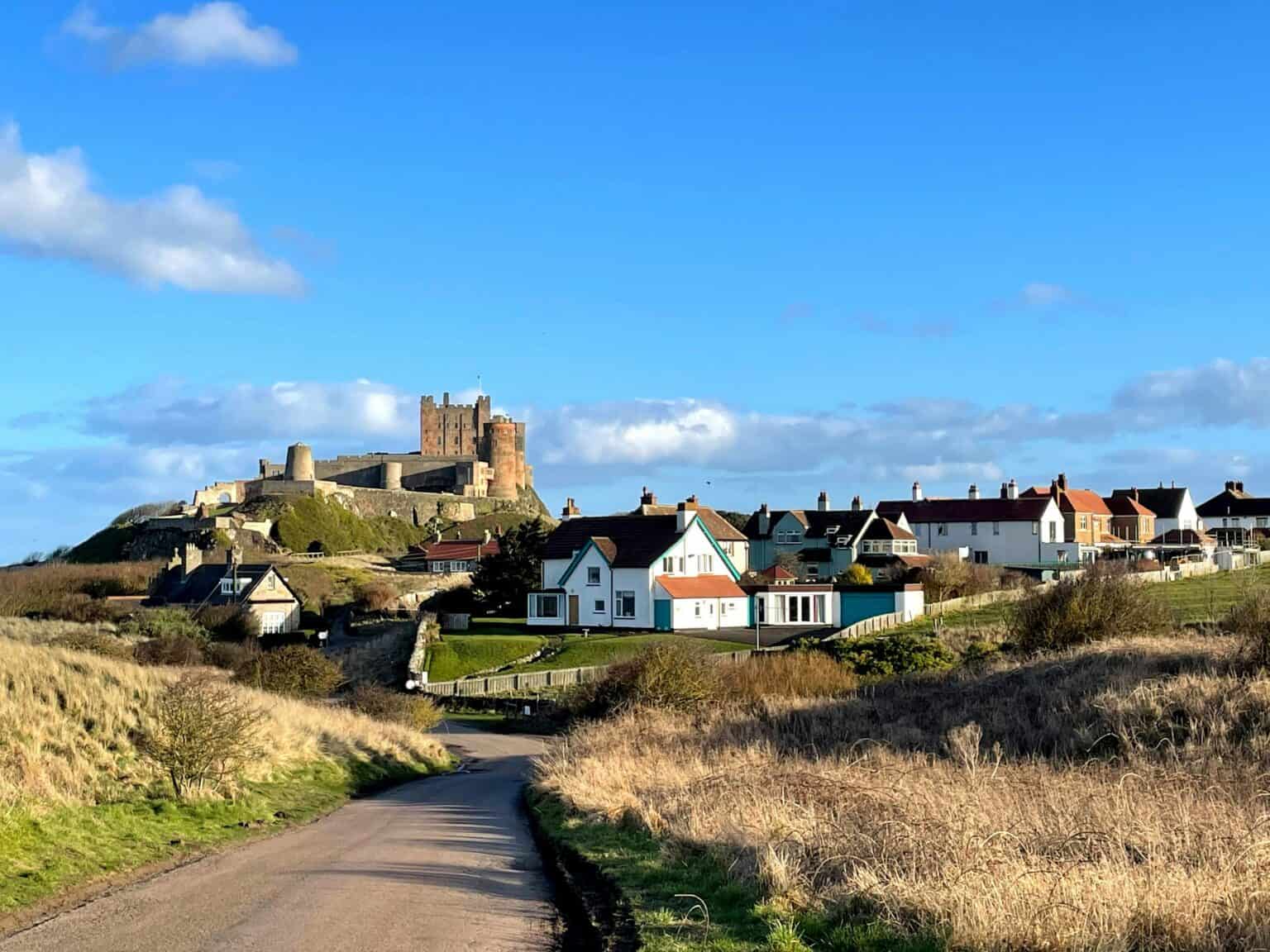
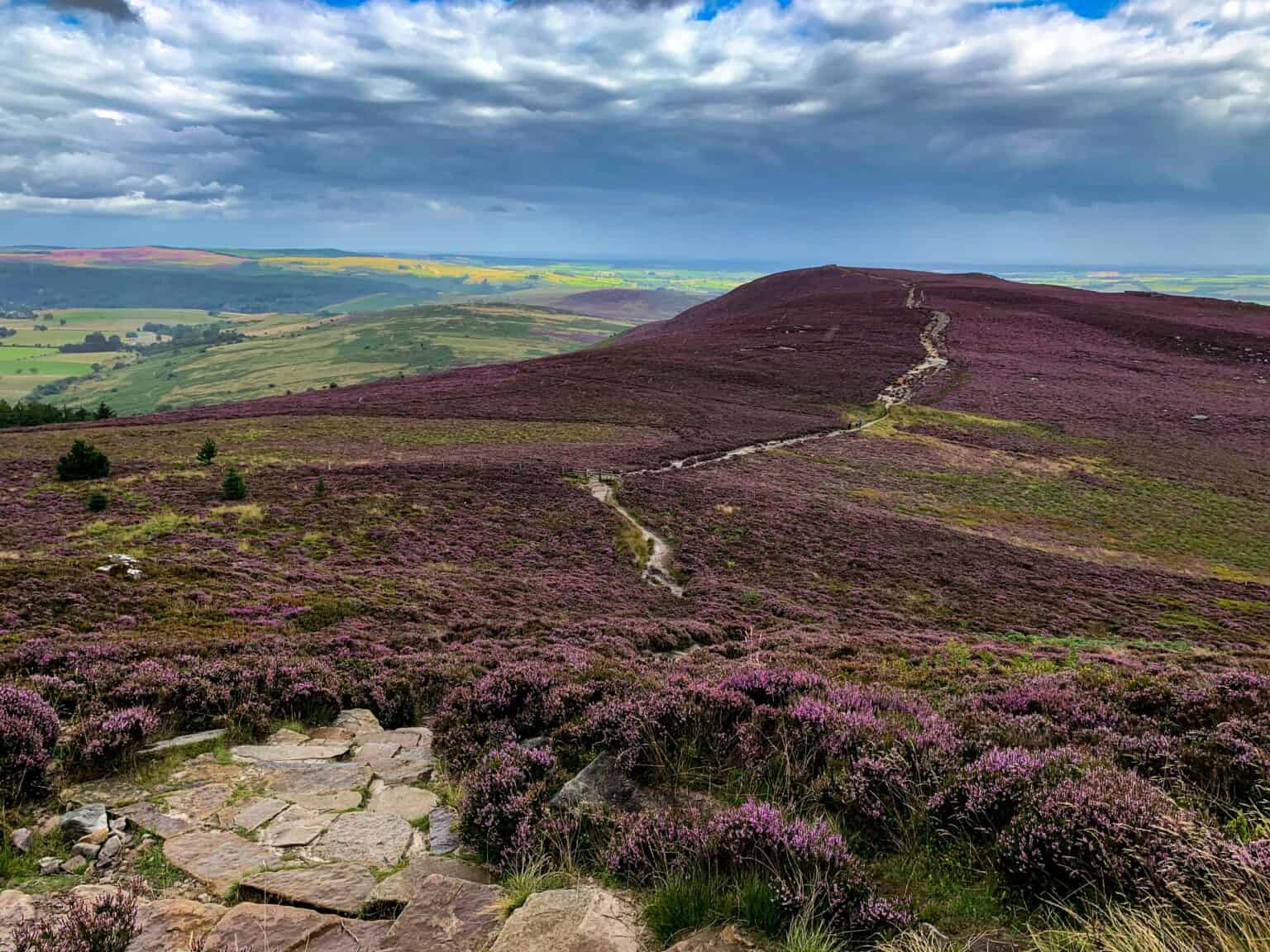
Northumberland is England’s most northerly county and its least densely populated. It stretches from the Cheviot Hills on the Scottish border down to the River Tyne, taking in a coastline of wide sandy beaches, the ancient ruins of Hadrian’s Wall, and Kielder Water and Forest Park — England’s largest working forest, containing Northern Europe’s largest man-made lake. Its vast landscape is predominantly rural and open, with small market towns rather than large cities, and roads that carry a fraction of the traffic you’d find further south. For people who find busy, overstimulating environments difficult — whether due to physical, sensory, or cognitive needs — the open space and quiet can make all the difference.
While providers across the county are increasingly recognising the wide range of needs that sit within the “accessibility” umbrella and many are improving their offering, not all provide access information clearly from the outset. With that in mind, it’s worth allowing yourself the time and being prepared to ask a few questions when searching around. A provider that answers these questions clearly — without making you feel like an inconvenience — is usually a good sign of someone who ‘gets it’.
Accessible Lodges in Northumberland: A Practical Checklist
To help with your planning, we’ve spent time (probably too much – sorry, boss!) scouring the internet for accessible travel tips and here are some of our favourites from the Disabled community.
Sophie Morgan – TV presenter, wheelchair user, Contributing Editor at Wanderlust
- Get the photos you need. “I want to see a picture of the room I’m staying in, and I want to see a picture of the bathroom.” Don’t settle for the words “fully accessible.” If not clearly visible on their website, ask for the photos and video of the space – don’t settle for the words fully accessible.
- Pay attention to the attitudes of your provider. “People’s attitudes are far more limiting than anything, even more than the built environment.” When you call or email a provider, pay attention to how they respond to your questions — it tells you as much as the answers.
Carrie-Ann Lightley – Information Service Manager at Tourism for All, wheelchair user, named in Shaw Trust’s Disability Power List 100
- Write down your needs ahead of looking. “Us disabled people are the experts in what we as individuals need — and we’re all different.” Write down your exact requirements before you start contacting providers. This will save you time and spot you needing to repeat yourself as much.
- Book rail assistance at least 24 hours in advance. If travelling by train, the Disabled Persons Railcard gives a third off most fares for you and a companion.
Emma Muldoon – award-winning travel and disability blogger at Simply Emma
Book early and leave time to research properly. “I always do my research before I travel, as this prevents any problems when I arrive.” A few months in advance is a reasonable lead time for an accessible holiday — not just to secure the accommodation, but to research the destination, check transport links, and contact the venue with the questions that matter to you. Unfortunately, many find last-minute accessible bookings harder and more stressful.
- Get it in writing. After speaking to a real person at the venue about your specific access needs, “Ask the hotel to send a confirmation email of [access] details” so you have written confirmation if there are any problems when you arrive. Verbal assurances can get lost between booking and arrival; written ones are harder to ignore.
John Morris – Founder of WheelchairTravel.org, New Mobility Magazine 2023 Person of the Year
- Secure the help you need ahead of time. “There is no shame in needing help as a result of disability.” Plan the support you’ll need — whether that’s equipment hire, a carer, or an accessible transfer — and arrange it in advance rather than hoping for the best on the day.
A few tips from Calvert Kielder
Having been designed from the ground up with accessibility at our core, we’ve pick up a few tips of our own over the the last 40 years. Here are just a few to get you started.
- Pay particular attention to bathrooms. Ask for photos of the bathroom, if not clearly displayed on your provider website. The bathroom is where most accessible lodges either work or don’t, and a photo often tells you more than any written description. Ask for the approach to the accommodation too.
- Factor in everyone travelling. If you’re coming with a carer, family member, or personal assistant, room size and layout matters differently when more people need to move around comfortably. Some providers design for the disabled guest; fewer think about the whole party.
- Consider confirming details a week before you arrive. Accessible rooms at some providers do sometimes get reassigned, and equipment isn’t always set up in advance. A quick call prevents most of that.
- Check under lowered sinks. Sinks lowered for wheelchair users sometimes have exposed pipes underneath. For anyone without sensation in their legs, that’s a burn risk. A good provider will already have addressed it, but it’s worth asking to make sure this is sorted.
- Ask about the outdoor environment, not just the building. For a lodge holiday, the approach paths, grounds, and routes between buildings matter as much as the room. A step-free lodge with an uneven gravel path to the car park can still be a problem for some. Ask specifically about the surface and gradient between parking and your accommodation, if it’s not visible on the website.
- Find out what happens if you need help overnight. For guests with higher support needs, it’s worth knowing whether there’s an on-site staff presence, an emergency call system in the room, and a clear protocol if something goes wrong outside of normal hours. This is rarely covered in listings but is one of the most important questions to ask for those who need it.
- Check laundry access. For many people a washing machine isn’t a convenience — it’s a necessity. Confirm whether there’s one in the accommodation or on site, and whether it’s accessible.
- Ask about noise and the immediate surroundings. For guests with sensory sensitivities, a lodge adjacent to a busy activity area or communal space is a very different proposition from one in a quieter spot. If there’s no site map on their website, ask where your accommodation sits within the site, and whether quieter options are available.
- If something isn’t right when you arrive. Sadly not all providers are fully transparent about accessibility. If a property has described itself as accessible and the reality falls significantly short, you have grounds to raise a formal complaint — and in some cases to seek a refund or alternative accommodation. The Equality Advisory Support Service (EASS) offers free advice and can help you understand your options. Their helpline is 0808 800 0082. Knowing this exists before you travel means you’re not left powerless if things go wrong.
What would you add to the list?
We know a lot goes into planning an accessible holiday or day out, and the tips above are just a starting point. Got a brilliant suggestion to add to the list? Email us at fundraising@calvert-kielder.com and we’ll take it from there.